Outstanding service all around! Used the to properly vent a hot water heater including the chimney liner. Prompt responses, good communication, very knowledgeable, fair estimate, great work, great follow through. Highly recommend!
— Marijeanne C.
Mon–Sat · 6AM–9PM
Chimney Relining · Residential
Chimney relining and HeatShield applications
- we recommend what's best for your flue.
Every chimney has a silver lining - ours just happen to be stainless steel. As a full-service, licensed, and insured chimney company, rest assured Garden State can handle your chimney relining needs. Whether you need a stainless steel liner for a new appliance or believe your current liner needs repairs, you can rely on us to take care of it in Morristown, Chatham, Madison, North Haledon, and more.
chimney relining
A chimney liner is designed to protect the inner walls of your chimney against high temperatures and dangerous gases while streamlining airflow. Industry testing has concluded that building a chimney without a liner was “little less than criminal” because of how quickly surrounding woodwork could catch fire.
Like all home appliances, your liner can deteriorate over time, especially if maintenance is neglected. Some older homes (pre-1940s) may not have a liner at all. Operating an unlined or damaged system can lead to:
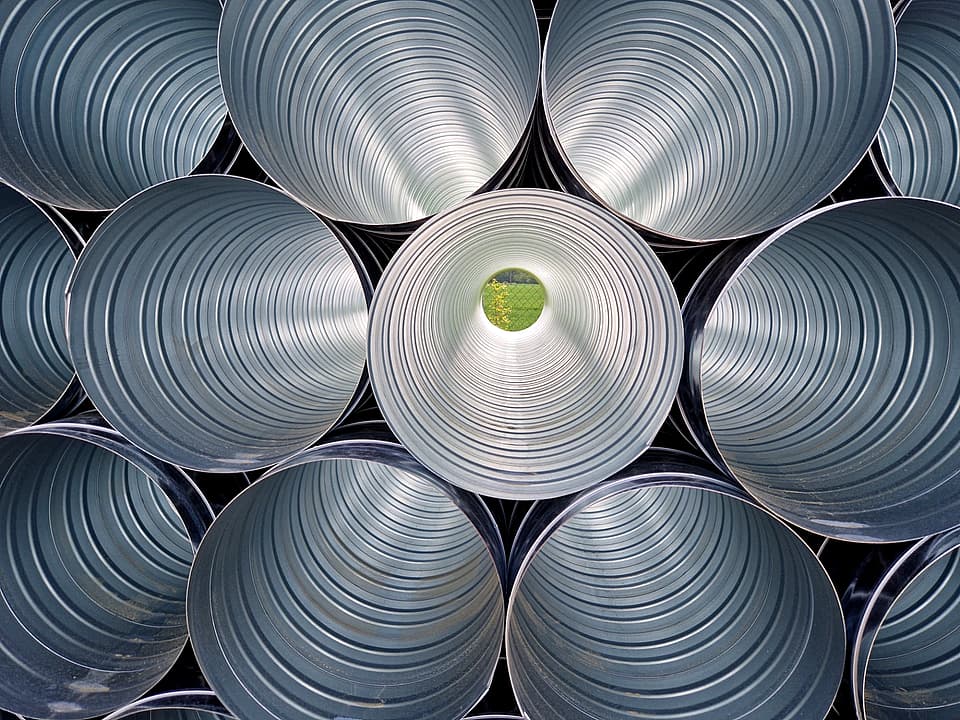
Stainless steel is widely considered the superior choice for chimney relining because of its unmatched durability and versatility across different fuel types. However, its effectiveness relies on selecting the exact grade or alloy required for your system - different fuels emit distinct gases with varying levels of acidity, and a grade built to withstand wood smoke can quickly corrode when exposed to the high-acid byproducts of gas. Partnering with a professional ensures you select the correct stainless steel alloy to maximize safety and longevity.
heatshield flue restoration
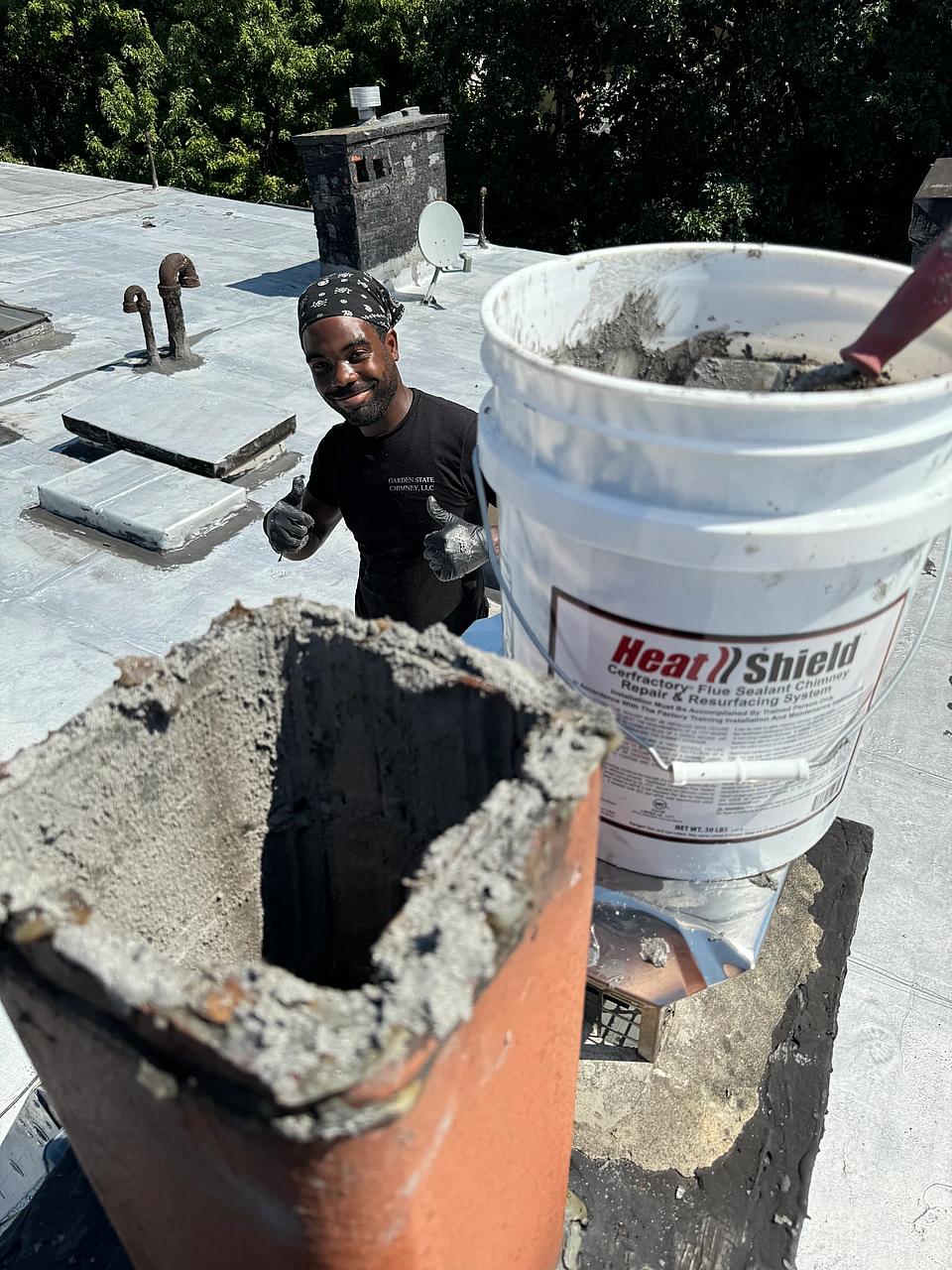
HeatShield® is a chimney liner repair solution that coats the inside of your liner with a uniquely formulated “Cerfractory” sealant of ceramic and refractory materials. It offers an alternative to complete liner replacement for chimneys lined with terra cotta clay tiles. There are three application methods:
Joint Repair seals damaged mortar joints between clay tiles inside your chimney flue using a specialized applicator tool. This targeted process fills and smooths only the defective seams, restoring structural integrity without requiring a full liner replacement.
Resurfacing applies a high-temperature masonry sealant across the entire interior surface of the flue liner, creating a smooth, continuous, and heat-resistant barrier that improves draft and seals minor defects. It is designed for chimneys with widespread surface deterioration, such as extensive cracking or flaking tiles, beyond isolated joint damage.
CeCure Sleeve Relining involves lowering a flexible, ceramic-insulated, stainless-steel-reinforced sleeve down the flue. The sleeve is expanded to fit the shape of your chimney, forming a seamless and virtually indestructible new liner.
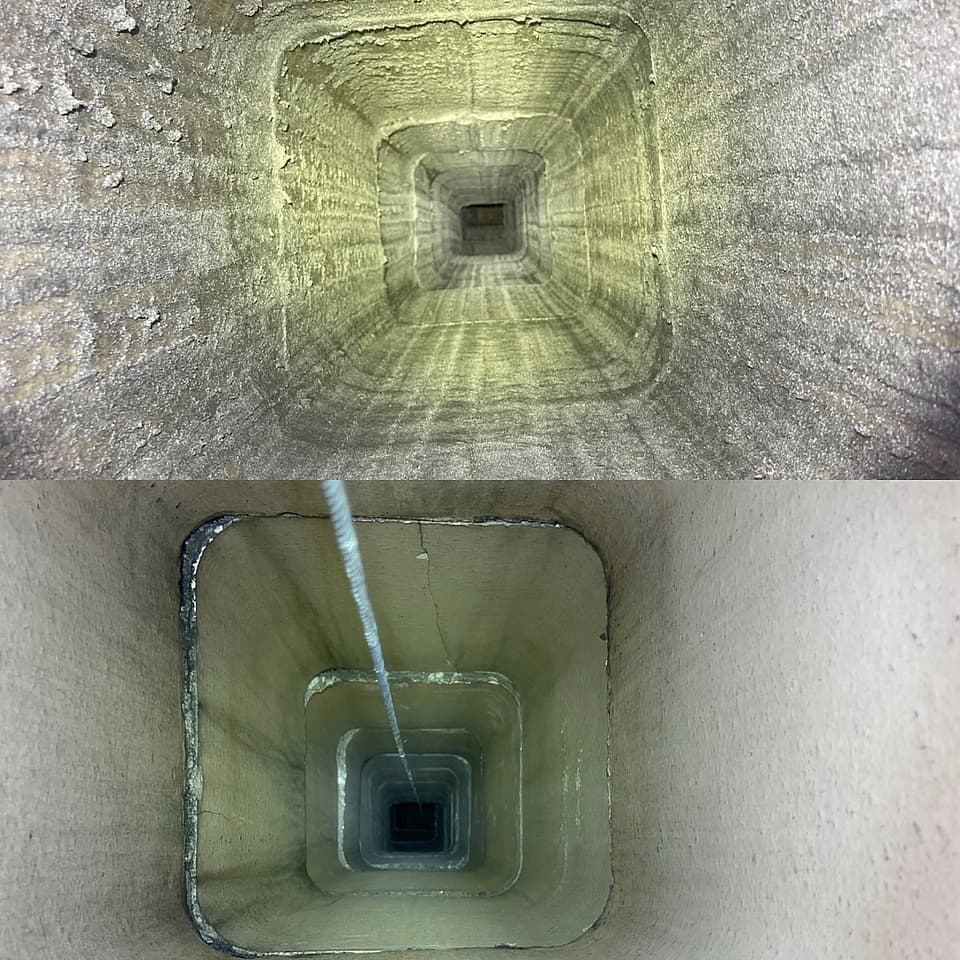
How We Fix It
No mystery, no scare tactics. We inspect, explain liner options in plain language, and install what your system actually needs.
We look at the existing flue - often with a 360° scan - so relining is based on condition, not a sales script. Related masonry issues can be handled through our chimney & fireplace repairs.
The most common chimney relining option is adding a new stainless steel liner that is sized to your system and designed to create a stronger, more consistent draft.
Where the masonry can be restored instead of fully replaced, a Certified HeatShield® Installer can rebuild a smooth, continuous lining in place.
If you also need a sweep, stove work, or gas logs, we coordinate so you’re not juggling extra contractors. See chimney cleaning & inspection and wood stove installation.
How It Works
Reach out online or give us a call to book an inspection, so we can see what the issue is - and figure out the next best steps.
We'll recommend a stainless steel option or HeatShield® based on your situation. We communicate options, cost, and timing before any work starts.
We install the chimney liner or performing the relining work, contain the mess, and show you what changed - no pressure for add-ons.
Good Questions
No. If your fireplace or chimney is acting up, stop using it and wait until a professional can assess the flue. A damaged liner is no longer a continuous path for smoke and heat. Cracks, missing clay, or rusted metal can let carbon monoxide and other combustion gases into the house, and they can allow flames from your fires to reach framing that was never meant to experience that heat.
One more fire is how a small break becomes a larger one. If the masonry around the flue is failing too, that work is scheduled with our chimney and fireplace repairs so the structure can support a repair or a new liner.
We admire the ambition, but no. Removing an old liner and installing a new one takes specialized tools, safe roof access, and a correct fit for the appliance. A liner that is the wrong diameter, the wrong alloy, or left with gaps will not draft the way the fireplace or stove needs it to.
Remember that different fuels give off different acids, and a stainless grade that holds up to wood smoke can corrode quickly when it is exposed to gas. In addition, a DIY liner often ends up costing more once a crew has to pull it out, repair the tile or crown it damaged, and start over.
If your chimney has a terra cotta clay liner, there is a good chance one of the three HeatShield® methods will work. It is an alternative to full liner replacement when the clay can still be repaired.
We inspect the flue with a camera before recommending anything, because the right method depends on how far the damage has gone. If the clay is missing, or the appliance needs a different flue size, a stainless liner may be the better path. The camera inspection is what decides that.
It depends on the liner material, how often you burn, and the overall condition of the chimney. A well-cared-for clay liner may last anywhere from 15 to 50 years. Stainless steel liners are in a similar range when the alloy matches the fuel and the flue stays dry and swept.
Heat and moisture wear mortar seams and clay even when the fireplace looks fine from the living room. Creosote left on a rough or cracked surface shortens the useful life of both clay and metal. That is another reason annual inspection and sweeping matters, including on a liner that is still relatively new. A camera look is the reliable way to know whether yours is still intact.
Damage often shows up in the fireplace before you can see the flue itself. Watch for:
Those signs mean the inner path may be cracked, flaking, or no longer continuous. If your fireplace is acting up, don’t use it - call the team at Garden State to check it out.
Some older homes, especially those built before the 1940s, were finished with bare masonry and no liner at all.
Unfortunately, going liner-less is a bit like cooking without a pan. Without that inner wall, smoke and heat sit directly against brick and mortar, and there is no smooth path to keep the draft moving up and out. Industry testing has long treated an unlined chimney as a serious fire risk because surrounding woodwork can catch quickly.
Operating an unlined chimney can lead to:
Reviews
Outstanding service all around! Used the to properly vent a hot water heater including the chimney liner. Prompt responses, good communication, very knowledgeable, fair estimate, great work, great follow through. Highly recommend!
— Marijeanne C.
Credentials
Where We Work
From our home base in Wayne, we travel to communities across four Northern NJ counties - we make same-day calls whenever we can.
Counties
Cities
Wayne
Montclair
Ridgewood
Franklin Lakes
Wyckoff
Mountain Lakes
Morristown
Glen Ridge
Maplewood
South Orange
From the Blog
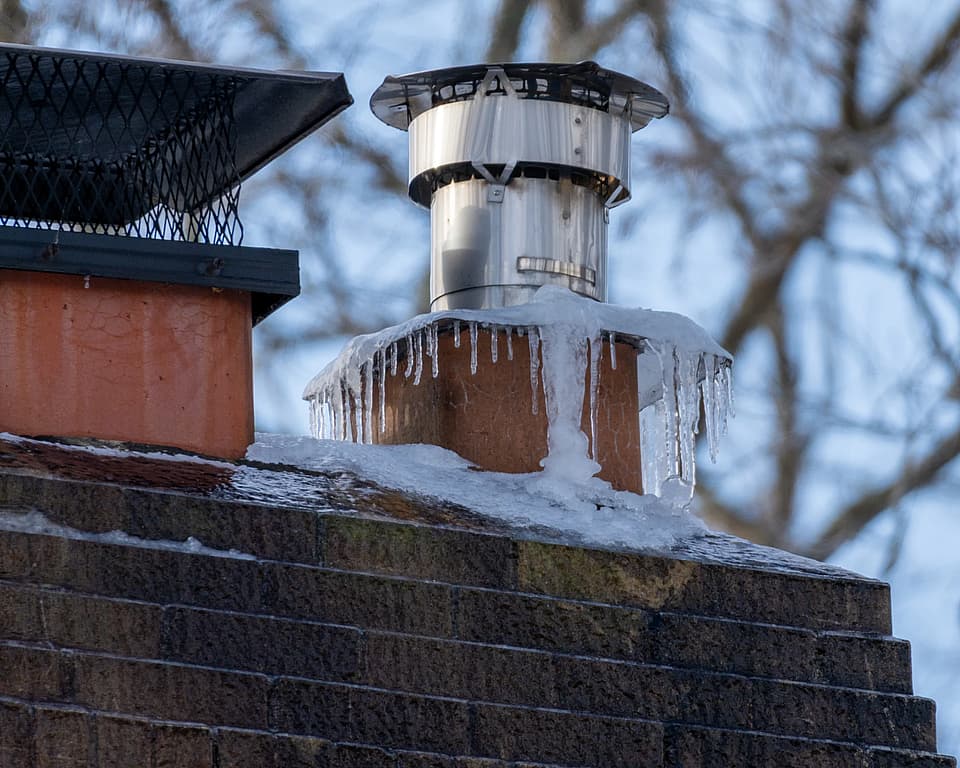
Freeze/thaw is water entering chimney masonry, freezing, and cracking brick and mortar.
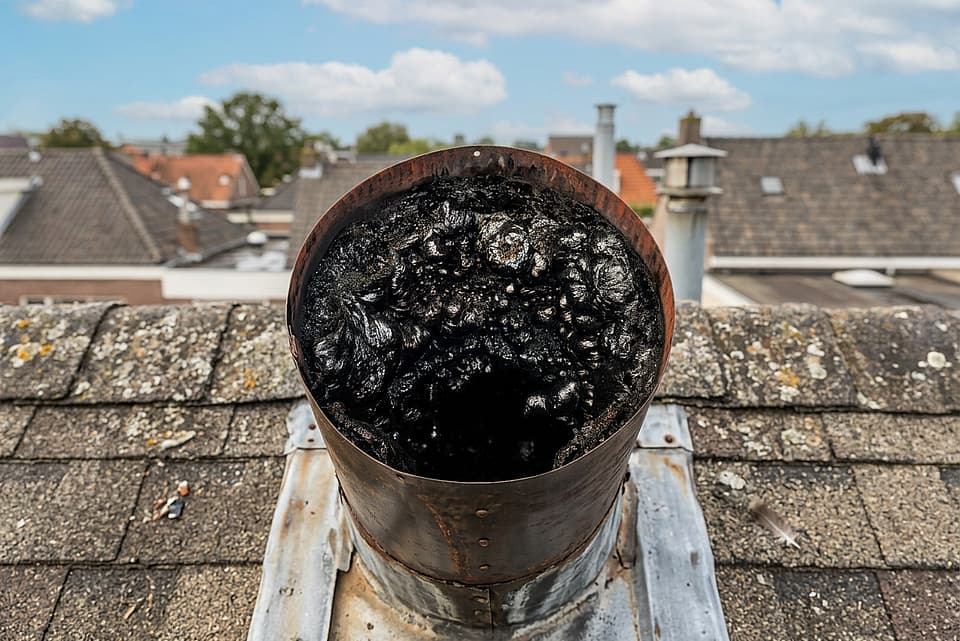
Creosote is the residue wood smoke leaves in a flue, and it can fuel a chimney fire.
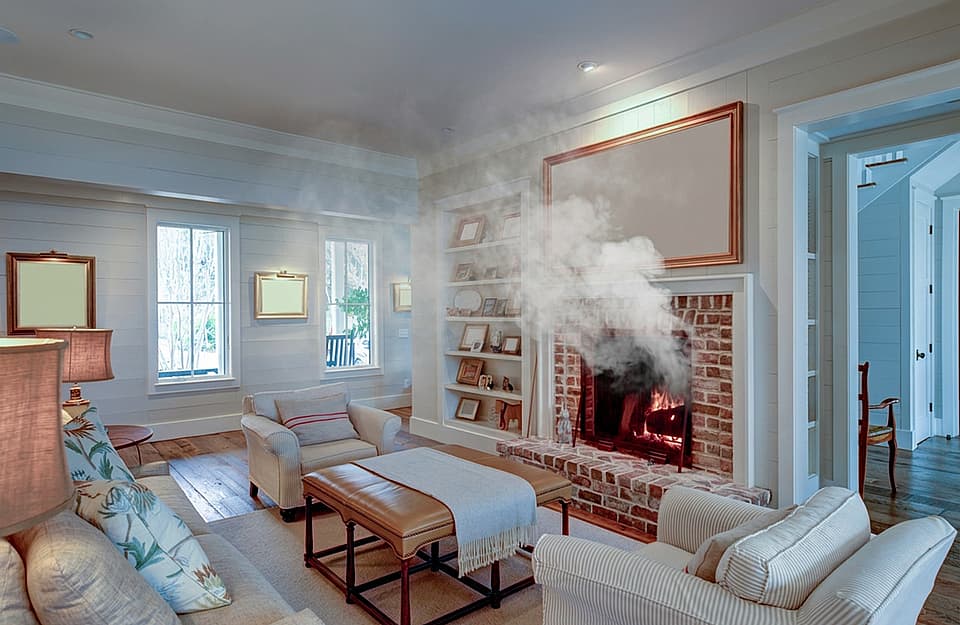
Smoke spilling from a fireplace usually means a draft, damper, or blockage problem.

Get In Touch
let’s talk!
Fill out the form or give us a call. We answer the phone, show up on time, and explain liner options in plain language with no confusing jargon.
(973) 519-0802Our chimney repair list is extensive - whatever service your chimney may need, we want to help.